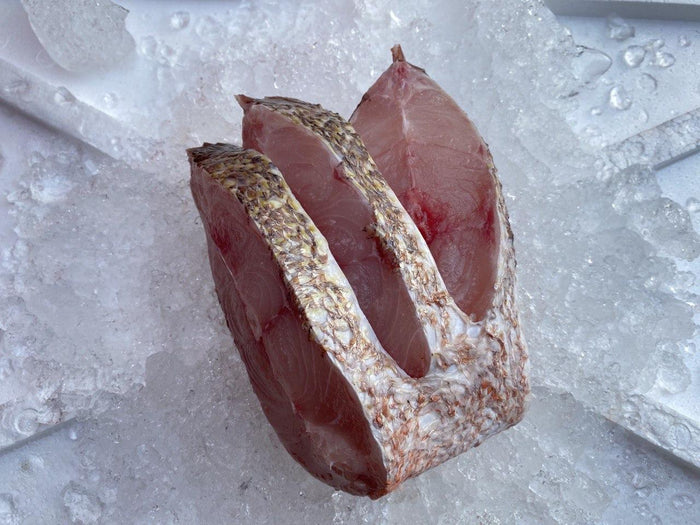
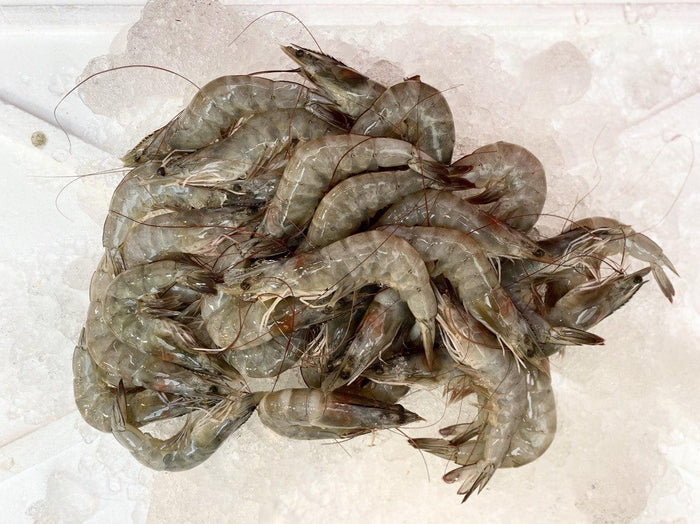
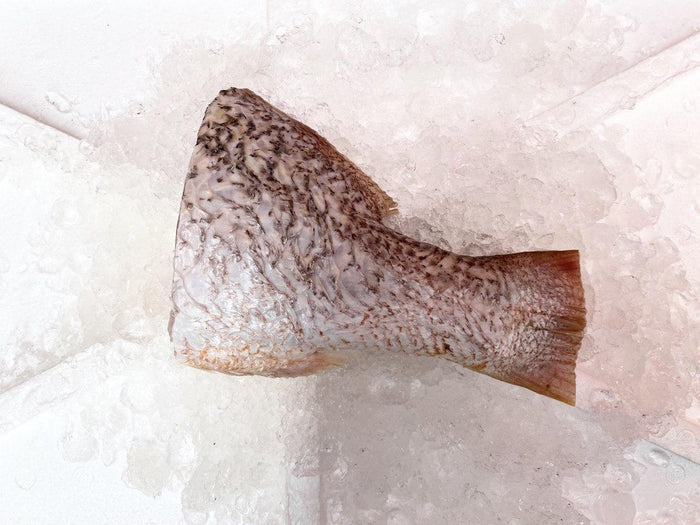
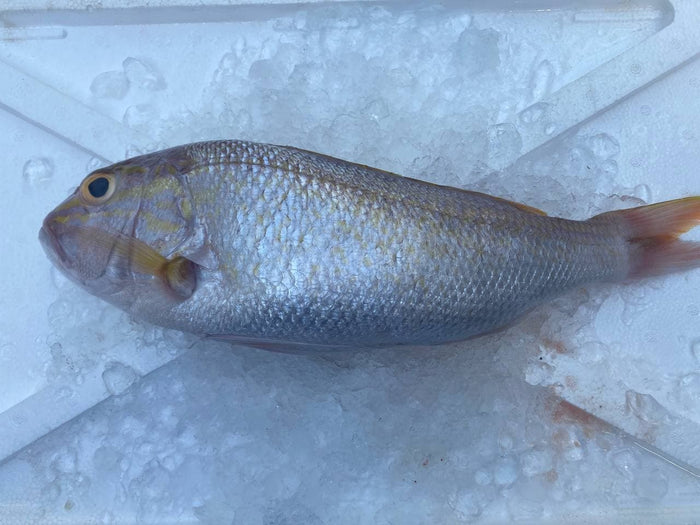
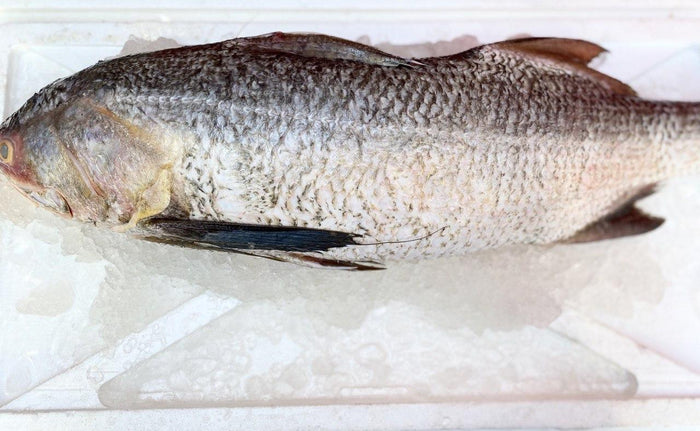
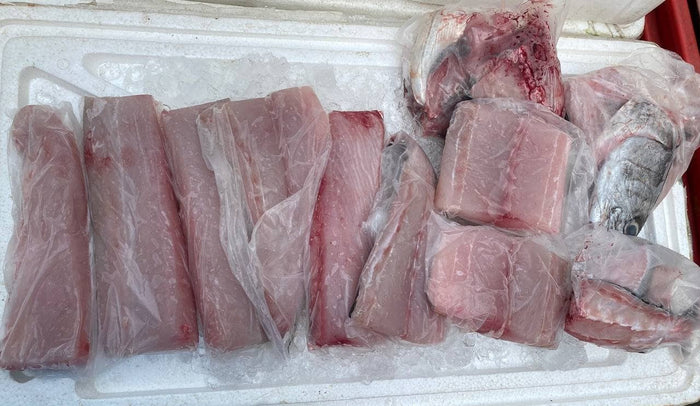
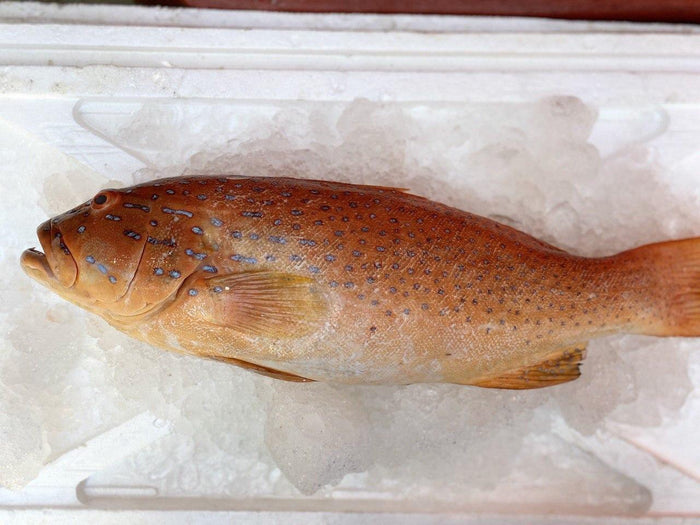
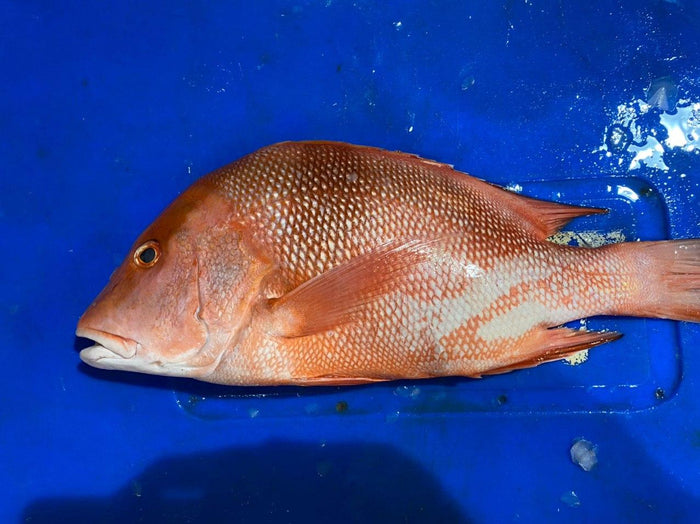
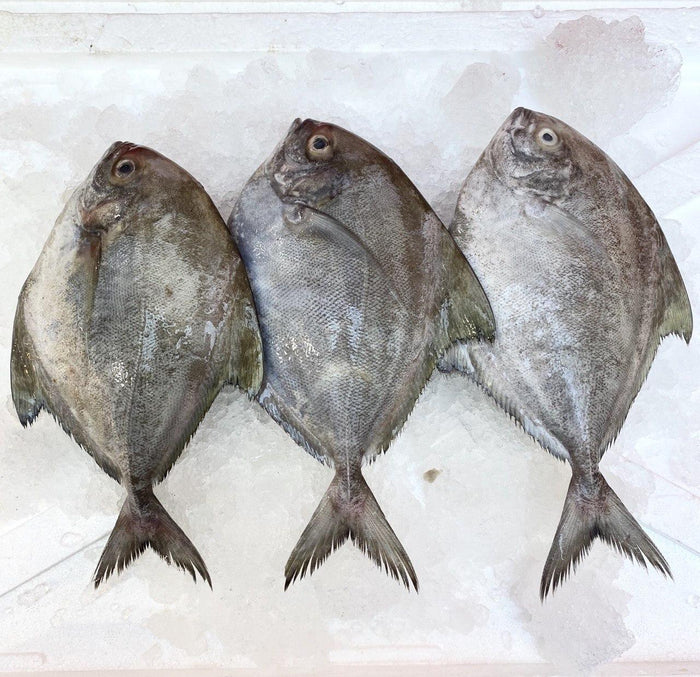
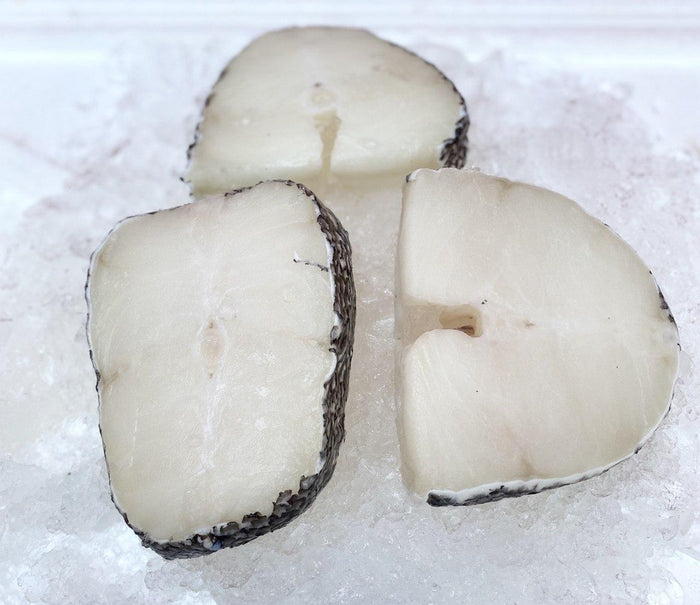
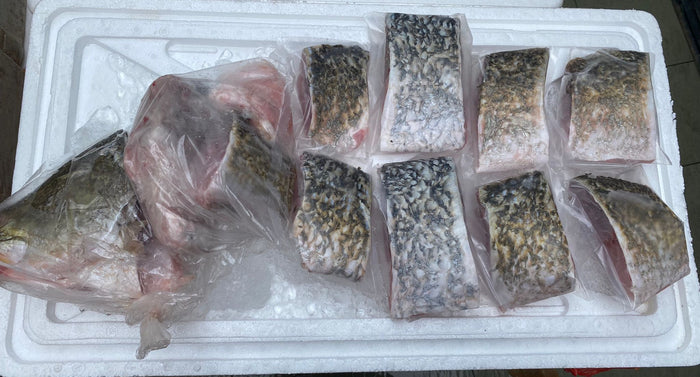
Unpack your seafood as soon as it arrives. Keep what you will cook within two days in the coldest part of the fridge, and freeze the rest the same day, dry, portioned and wrapped airtight. When you need it, thaw it in the fridge overnight, never on the kitchen counter. The food safety steps below follow the US Food and Drug Administration's seafood guidance; the packing tips come from what has worked for our own customers over years of deliveries from our Jurong West stall.
How long can fresh fish stay in the fridge?
Up to two days. The FDA's advice is to keep seafood you will use within 2 days in a clean fridge at 4°C (40°F) or below, and to freeze anything you will not use by then. To get the most out of those two days:
- Keep it dry. Rinse if you like, then pat the fish dry with kitchen towel. Moisture speeds up spoilage.
- Keep it cold. Put it in the coldest part of the fridge, usually the bottom shelf at the back, not the door.
- Keep it covered. Leave it in its pack or a covered box so it does not drip onto, or pick up smells from, other food.
How do I freeze fish and seafood properly?
Wrap it tightly to keep the air out, which is what causes freezer burn. Our fillets come in thicker packs and you can ask for vacuum sealing at checkout, which is the best protection. At home:
- Pat everything dry; less water means fewer ice crystals and a better texture.
- Portion into meal sizes, for example one fillet or 10 to 15 prawns per pack, so you only thaw what you need.
- Squeeze the air out of a zip bag, flatten it, then put it inside a second bag or box.
- Label each pack with the fish and the date it arrived.
Our freezer guide goes through each step in detail, with our customers' tips.
How long can fish stay in the freezer?
Frozen fish stays safe for a long time if it is kept frozen, but the taste and texture fade. For the best sweetness and texture, we suggest:
| Seafood | Best within |
|---|---|
| Oily fish: salmon, saba, mackerel | 1 to 2 months |
| White fish: cod, threadfin, grouper, snapper | 2 to 3 months |
| Prawns, packed well | 2 to 3 months |
| Clams and other shellfish (cook clams first) | 1 to 2 months |
Fish in our regular packing keeps for up to a month in the freezer without losing quality.
What is the safest way to thaw frozen fish?
The FDA recommends three ways:
- In the fridge overnight. The best way for texture. Put the pack on a plate to catch any drips.
- In cold water, if you are in a hurry. Seal the fish in a plastic bag and immerse it in cold water.
- In the microwave on the defrost setting, only if you will cook the fish straight away.
Leaving fish to thaw on the kitchen counter is not one of the recommended methods, so avoid it, especially in Singapore's heat.
Can I refreeze fish after thawing?
Avoid it. Each time seafood is thawed and frozen again the texture drops fast and it turns mushy or rubbery. This is why we portion fillets: freeze them in meal sizes and you never have to thaw more than you cook.
How do I store live clams?
Our la la and flower clams are packed alive on ice, because without ice some open and die on the way. Cook them on the day if you can. If not, soak them in salted cold water for 30 to 60 minutes to purge the sand, rinse, drain, pack airtight and freeze, or steam them first and freeze them with a little of the broth. The FDA's check for live clams: they close when the shell is tapped. Throw away any with cracked or broken shells, and any that stay open when tapped.
How do I cook fish safely?
The FDA advises cooking most seafood to an internal temperature of 63°C (145°F). Fish is done when the flesh separates easily with a fork, or when the flesh nearest the bone of a whole steamed fish has turned white.
Order for the week
Many of our fillets come in portion sizes from 150 to 200G, or 1 KG packed into four packets, so a single order can cover a week of meals. See our fillets, our delivery days and charges, or WhatsApp Xavier with a question.
Source: US Food and Drug Administration, Selecting and Serving Fresh and Frozen Seafood Safely.